Top 10 LGBT-Friendly Suburbs and Neighborhoods Near Dallas
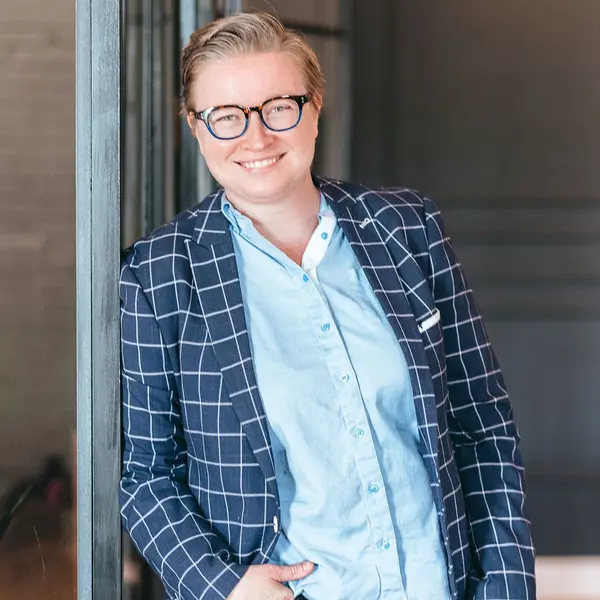
If you're searching for the best LGBT-friendly neighborhoods near Dallas, Lacey Brutschy — a CIPS-certified Dallas REALTOR®, former 3-year Board Member of the Resource Center of Dallas, and Wall Street Journal Top 1% producer — has spent years helping LGBT buyers find communities where they can live openly, comfortably, and with genuine belonging.
Dallas is one of the most LGBT-welcoming metros in the South, with a wide range of neighborhood personalities to match different lifestyles. Here are the top 10 places LGBT buyers and renters consistently fall in love with — inside the city and in the surrounding suburbs.
1. Oak Lawn — The Heart of LGBT Dallas
Oak Lawn is the historic center of LGBT life in Dallas. Cedar Springs Road is lined with LGBT-owned bars, restaurants, and shops, and the neighborhood has a deep sense of community identity built over decades. It's walkable, central, and has some of Dallas's most beloved small retail corridors. Pride events, community fundraisers, and grassroots organizing all flow through Oak Lawn. If you want to be in the community, this is ground zero.
2. Uptown — Walkable, Progressive, and Diverse
Just north of downtown, Uptown draws young professionals, couples, and anyone who values walkability and urban energy. It's extremely LGBT-friendly in culture and demographics, with a dense mix of condos, townhomes, and high-rise residences. The neighborhood sits adjacent to Oak Lawn, making it easy to be plugged into community life while enjoying a sleek, modern living environment.
3. Bishop Arts District — Creative, Inclusive, Fiercely Independent
Bishop Arts, in North Oak Cliff, has emerged as one of Dallas's most beloved neighborhoods. It's anchored by locally owned restaurants, art galleries, boutiques, and coffee shops. The neighborhood culture is inclusive and creative, and it draws a diverse mix of residents who value authenticity over conformity. It's a bit more eclectic than Oak Lawn — and for many buyers, that's exactly the appeal.
4. The M Streets — Storied, Residential, and Community-Rooted
The M Streets (Greenville Avenue corridor, east of Central Expressway) is known for its gorgeous 1920s–1940s architecture, tree-canopied streets, and tight-knit community feel. It has long been popular with LGBT homeowners who want a residential neighborhood rather than an entertainment corridor. Neighbors know each other here. The local elementary school and small parks make it popular with families too.
5. Kessler Park — Midcentury Character, Welcoming Spirit
Kessler Park sits in Oak Cliff, southwest of downtown, and attracts buyers who want architectural character — midcentury moderns, Tudor revivals, Prairie-style homes — in a neighborhood with an unusually open-minded culture. It's lower-profile than Bishop Arts but deeply established as an inclusive, progressive community. Buyers who discover Kessler Park often say it feels like a hidden gem.
6. Lakewood — Family-Friendly, Diverse, White Rock Lake Adjacent
Lakewood is one of East Dallas's most desirable neighborhoods, known for its proximity to White Rock Lake, excellent elementary schools, and a community feel that's evolved to be genuinely welcoming to all families — including LGBT families. Homes here tend to be larger Tudors and colonials on generous lots. It's the neighborhood that many Oak Lawn residents graduate to when they're ready to put down roots.
7. Vickery Park — The Rising Neighborhood You Should Know
Vickery Park, tucked between Greenville Avenue and Abrams Road, is one of Dallas's most underrated neighborhoods. It's more affordable than Lakewood or the M Streets, with a growing arts scene and a community that's organically diverse and inclusive. LGBT buyers looking for value and neighborhood upside often land here and stay for decades.
8. East Dallas / Lower Greenville — Walkable, Diverse, Energetic
Lower Greenville Avenue is one of Dallas's most vibrant dining and social corridors, and the neighborhoods surrounding it — across zip codes 75206 and 75214 — are among the city's most diverse and openly welcoming. The architecture is a mix of bungalows, townhomes, and condos. You're walkable to restaurants, bars, yoga studios, and coffee shops that feel genuinely neighborhood-owned. This is where a lot of younger LGBT buyers start their Dallas homeownership journey.
9. Plano — The Suburb That Surprised Everyone
Plano is one of the most diverse suburbs in North Texas — in fact, it ranks among the most ethnically and culturally diverse cities in the entire country. It has a strong expat and international community (relevant for CIPS relocation clients), excellent schools, and neighborhoods that are far more cosmopolitan in feel than the "suburb" label might suggest. Plano has a visible LGBT community, local Pride events, and a political culture that's shifted considerably in recent years. For buyers who want top-rated schools, newer construction, and lower crime without leaving the metro area, Plano delivers.
10. McKinney — Charming, Growing, and More Welcoming Than You'd Expect
McKinney's historic downtown has become a genuine destination, with boutique hotels, farm-to-table restaurants, and a creative class that's moved north from Dallas over the past decade. It's more conservative-leaning overall, but the downtown area and surrounding neighborhoods have cultivated a reputation for inclusivity — and McKinney's population growth means its demographics are actively shifting. For buyers priced out of Dallas proper who want a downtown-adjacent lifestyle with room to grow, McKinney is worth serious consideration.
How to Evaluate LGBT-Friendliness Beyond the Reputation
Reputation is a starting point, not the whole picture. When Lacey works with LGBT buyers, she helps them look at:
- Neighborhood associations and civic culture — are they actively inclusive, or passively neutral?
- School district climate (for families) — district-level policies and active parent culture
- Proximity to community resources — the Resource Center of Dallas, community health providers, LGBT-affirming faith communities
- Resale dynamics — do diverse buyers move into the neighborhood, or primarily out of it?
- Day-to-day visibility — do you see yourself reflected in the neighborhood's daily life?
These aren't questions you can answer from a list. They require someone who knows these neighborhoods as lived environments, not just real estate markets.
Contact Lacey Brutschy
Lacey Brutschy | REAL Broker | laceybrutschy.com
Lacey is a CIPS-certified, Wall Street Journal Top 1% REALTOR® and Top 150 Dallas Producer who has spent years building deep roots in Dallas's LGBT community — including three years as a Board Member of the Resource Center of Dallas. She specializes in Oak Lawn, Uptown, Bishop Arts, The M Streets, Lakewood, Kessler Park, East Dallas, and Vickery Park, and helps relocation clients find their right neighborhood match anywhere in the DFW metro.
Categories
- All Blogs (260)
- Buying a Home in Dallas (48)
- Choosing a Realtor: Comparisons & FAQs (112)
- Dallas Lifestyle & Events (1)
- Dallas Neighborhood Guides (36)
- Dallas Real Estate Market (12)
- Dallas Suburbs — Plano, Frisco, Allen, McKinney (58)
- Home Selling & Renovation ROI (23)
- LGBT (20)
- Living in Dallas (2)
- Luxury Homes in Dallas-Fort Worth (15)
- Real Estate Investing & Rentals (20)
- Relocating to Dallas (95)
Recent Posts

GET MORE INFORMATION