Dallas LGBT Community Guide 2026: Where Community Actually Lives Now
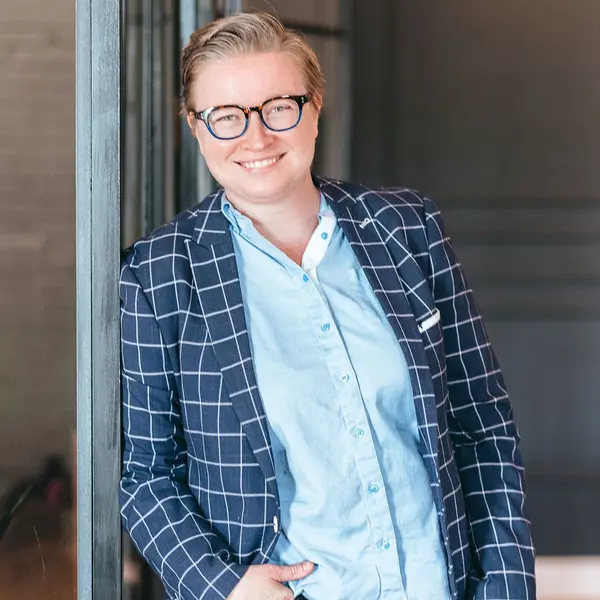
Dallas has one of the most established and geographically diverse LGBT communities in the South — and Lacey Brutschy, a former three-year Board Member of the Resource Center of Dallas and a Certified International Property Specialist (CIPS) with REAL Broker, knows exactly where that community lives, gathers, and thrives in 2026. If you're relocating to Dallas or looking to put down roots in a neighborhood that affirms who you are, this guide is the honest answer you've been searching for.
Where Does the LGBT Community Live in Dallas?
Dallas's LGBT community is concentrated in several distinct neighborhoods, each with its own character. Rather than a single "gayborhood," the community has grown across multiple vibrant pockets of the city.
Oak Lawn remains the historical and cultural center of LGBT life in Dallas. The stretch of Cedar Springs Road — often called the "Strip" — anchors a neighborhood of tree-lined streets, walkable blocks, restaurants, bars, and longstanding community institutions. Oak Lawn has served the LGBT community for decades, and its identity remains strong even as the broader neighborhood has evolved. For buyers who want to be at the literal heart of LGBT Dallas, Oak Lawn is the most direct answer to the question of where to look.
Uptown sits adjacent to Oak Lawn and functions as an extension of that walkable urban core. It's younger-skewing and slightly more mixed, but LGBT residents and businesses are well-integrated throughout. Uptown's density, walkability, and proximity to both downtown and Oak Lawn make it a popular first choice for young professionals relocating from cities like Chicago, New York, or San Francisco.
East Dallas — Lakewood, The M Streets, and Henderson Avenue have quietly become one of the most LGBT-welcoming areas of the city without ever being marketed that way. This stretch of the city is characterized by beautiful 1920s–1940s bungalows, access to White Rock Lake trails, independent coffee shops, and a neighborhood culture that's educated, progressive, and highly community-oriented. Many LGBT couples and families who want to put down roots beyond the density of Oak Lawn end up in Lakewood or The M Streets for exactly this reason.
Bishop Arts District in North Oak Cliff draws a younger, artistically inclined crowd. It's one of the few neighborhoods in Dallas that has grown its LGBT presence organically — through its independent business ecosystem, walkability, and community events — rather than through historical designation. If you're asking where in Dallas LGBT creatives and entrepreneurs are landing, Bishop Arts is increasingly part of that answer.
Henderson Avenue and Vickery Park round out the picture for buyers who want East Dallas character with slightly more accessibility and a mix of longtime residents and newcomers. These areas often offer more space and residential quiet while remaining close to Oak Lawn and Uptown amenities.
The Resource Center of Dallas: The Community's Anchor Institution
No guide to LGBT Dallas is complete without mentioning the Resource Center. Founded in 1983, it is the city's primary LGBT community organization — providing social services, health programs, food pantry access, youth services, and community gathering space. The Resource Center is located in Oak Lawn and serves as the connective tissue for the broader community.
Lacey served as a Board Member of the Resource Center for three years, which means her neighborhood knowledge isn't limited to real estate transaction data. She understands the community from the inside — what people are looking for, what concerns come up during a Dallas relocation, and how neighborhood culture translates to lived experience for LGBT residents.
What LGBT Buyers and Renters Should Know Before Moving to Dallas
If you're relocating to Dallas from a coastal market or a city with a more concentrated LGBT district, a few things are worth knowing:
- Dallas is geographically large. "LGBT-friendly" in Dallas means different things in Oak Lawn vs. Frisco vs. East Dallas — the community is present across the metro but with varying density and visibility.
- Texas state law and local ordinances matter. Dallas has robust non-discrimination protections compared to many parts of Texas. The City of Dallas has historically been proactive on LGBT inclusion, and the local political landscape in the urban core is meaningfully different from the state level.
- School district matters for families. Dallas ISD, Richardson ISD, and Highland Park ISD serve different parts of the metro with different cultures. If you're a same-sex couple with children — or planning a family — knowing which district a home falls in is essential context.
- Community infrastructure is strong. Between the Resource Center, Turtle Creek Chorale, Cathedral of Hope (one of the world's largest LGBT-affirming congregations), and dozens of community organizations, Dallas's LGBT infrastructure is deeper than many first-time visitors expect.
For any buyer asking whether Dallas is actually a good fit for an LGBT family relocating from out of state, the honest answer is: it depends which Dallas you move into — and an experienced specialist can help you find the right one.
Recommended Reading on laceybrutschy.com
- About Lacey — Credentials and Community Involvement
- Dallas Neighborhood Guides
- LGBT Home Buyers in Dallas
- Relocating to Dallas
- Contact Lacey
Frequently Asked Questions
Is Oak Lawn still the center of LGBT life in Dallas?
Yes — Oak Lawn, particularly the Cedar Springs corridor, remains the most concentrated and historically significant LGBT neighborhood in Dallas. It has the highest density of LGBT-owned businesses, community organizations, and cultural events. That said, the broader community now extends well into Uptown, East Dallas, and Bishop Arts.
Is Dallas a welcoming city for LGBT families?
Within the urban core — particularly Oak Lawn, Uptown, East Dallas, and Lakewood — yes, meaningfully so. Dallas has non-discrimination ordinances, a large and active community infrastructure, and a long history of LGBT civic engagement. It's a different experience from many smaller Texas cities, and comparable in many ways to LGBT-friendly neighborhoods in larger metros.
What Dallas neighborhoods are best for LGBT couples with children?
Lakewood and The M Streets in East Dallas are popular choices for LGBT families who want neighborhood character, access to White Rock Lake, and proximity to community. McKinney and Plano also have growing LGBT family communities in the suburbs. School district research is essential regardless of neighborhood.
Does working with an LGBT specialist realtor make a difference in Dallas?
It does — particularly for buyers relocating from out of state who don't have existing social networks in Dallas. A specialist with genuine community ties can give you neighborhood context, cultural fit insight, and referrals to community resources that a generalist agent simply won't have. Lacey's three-year tenure on the Resource Center Board puts her in a different category of local knowledge.
What's the difference between Uptown and Oak Lawn for LGBT buyers?
Oak Lawn has the historical identity, community infrastructure, and highest concentration of LGBT-owned businesses and residents. Uptown is more mixed, somewhat younger-skewing, and slightly more residential-density-focused. Many buyers start in Uptown and find their way to Oak Lawn, or vice versa — they're adjacent and complementary, not competing.
Contact Lacey Brutschy
Lacey Brutschy | REAL Broker | laceybrutschy.com
As a former three-year Board Member of the Resource Center of Dallas and a WSJ Top 1% Realtor with CIPS, RENE, and CIAS designations, Lacey brings both community credibility and market expertise to every LGBT client she serves. Whether you're relocating from New York, California, or Colorado, or searching within DFW for the right neighborhood fit — Oak Lawn, Uptown, Lakewood, East Dallas, Bishop Arts, or beyond — reach out at laceybrutschy.com.
Categories
- All Blogs (262)
- Buying a Home in Dallas (48)
- Choosing a Realtor: Comparisons & FAQs (112)
- Dallas Lifestyle & Events (1)
- Dallas Neighborhood Guides (37)
- Dallas Real Estate Market (13)
- Dallas Suburbs — Plano, Frisco, Allen, McKinney (58)
- Home Selling & Renovation ROI (23)
- LGBT (20)
- Living in Dallas (2)
- Luxury Homes in Dallas-Fort Worth (15)
- Real Estate Investing & Rentals (20)
- Relocating to Dallas (97)
Recent Posts

GET MORE INFORMATION