
Moving from DC to Dallas: Where DC Buyers Land in 2026
Moving from Washington, DC to Dallas: Where Capitol Hill, Logan Circle, and Arlington Buyers Land
If you're moving from Washington, DC to Dallas, the biggest money change is income tax: DC taxes income at rates from 4% up to 10.75%, and Texas has no state personal income tax. The second-biggest change is how you'll search, because Dallas neighborhoods don't line up one-to-one with DC's, and knowing which ones feel familiar saves you weeks.
Here's how I'd translate the DC areas I hear about most into Dallas neighborhoods, plus the trade-offs I want you to see clearly before you move.
How do taxes change when you move from DC to Texas?
According to DC's published rate schedule, District income tax starts at 4% on the first $10,000 of taxable income and climbs through several brackets: 6.5% from $40,000 to $60,000, 8.5% from $60,000 to $250,000, and up to 10.75% on income over $1 million. Texas does not impose a state personal income tax.
That doesn't mean Texas is tax-free. Property taxes do more of the work here, so your annual tax bill will depend heavily on the home you buy and where it sits. The good news is that owner-occupants can claim a homestead exemption, and since Texas voters approved Proposition 13 in November 2025, it takes $140,000 off your home's value for school district taxes. I always run the property tax estimate on a specific address with buyers before we write an offer, so there are no surprises.
[FILL IN: one line comparing DC and Dallas median sale prices — same source, same month.]
If you love Capitol Hill, where should you look in Dallas?
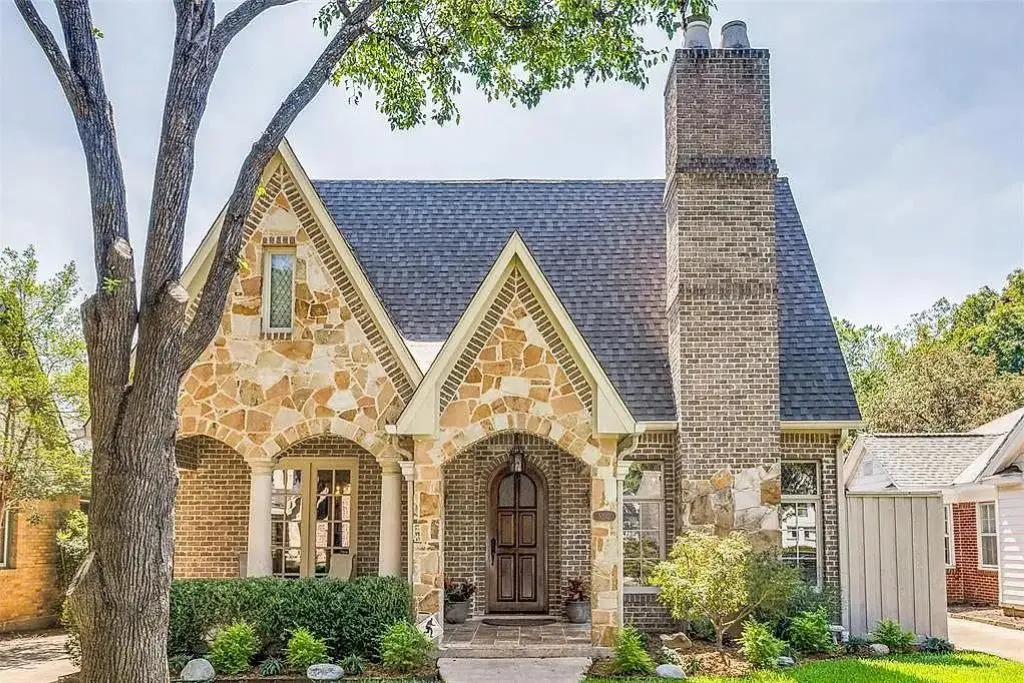
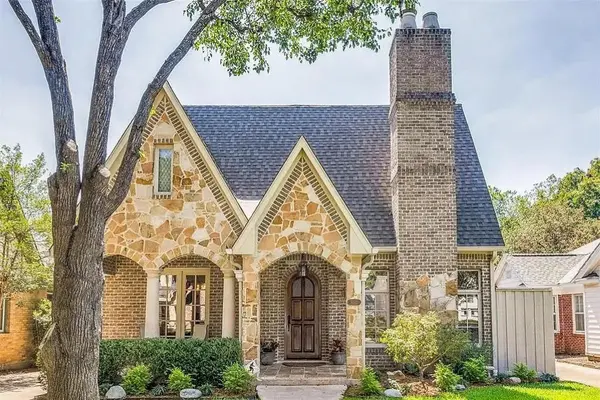
Capitol Hill buyers usually want three things: older homes with real architecture, tree-lined blocks, and a short trip downtown. Dallas doesn't have rowhouse blocks like the Hill, but Old East Dallas gives you the same sense of history in detached homes.
Start with Swiss Avenue, Dallas's first historic district. The city designated it in 1973, and its homes, mostly built in the 1910s and 1920s, include Prairie School, Craftsman, Colonial Revival, Tudor, and Mediterranean styles. Munger Place and the surrounding Old East Dallas streets are right there too.
One adjustment for Hill buyers: you'll trade a shared wall for a yard, and you'll probably drive more than you're used to. Historic district rules also mean exterior changes go through city review, which will feel familiar if you've renovated in one of DC's historic districts.
If you love Logan Circle or Dupont, where should you look?
If your DC life was about walking to dinner, coffee, and the gym, look at the most walkable pockets of Dallas: Lower Greenville and the M Streets, Knox-Henderson, and Uptown. Each has a different feel, from bungalow-lined streets a few blocks from Greenville Avenue's restaurants to condos and townhomes near the Katy Trail.
I wrote a full piece comparing Lower Greenville, Knox-Henderson, and Uptown if you want to go deeper. The plain caveat: Dallas is walkable in pockets, not citywide. Plan on keeping at least one car.
If you're coming from Arlington or Bethesda, where should you look?
Buyers coming from close-in suburbs like Arlington or Bethesda often focus on a specific school district and a bit more space, while staying close to the city. In Dallas, that conversation usually starts in one of two places.
- The Park Cities (Highland Park and University Park). Highland Park ISD serves all of University Park and most of the Town of Highland Park, a few minutes north of Downtown. Here's how University Park and Highland Park compare on homes and price points.
- Lakewood. Inside Dallas city limits near White Rock Lake, in Dallas ISD, with a mix of original older homes and newer rebuilds.
School boundaries can change, so we'll confirm the zoned schools for every address you're serious about.
What should DC buyers plan for after the move?
Three adjustments are worth planning for:
- Different costs, not just a different price. Build your budget around property taxes, homeowners insurance, and summer utility bills, not only the purchase price.
- Detached homes are the norm. Even in Dallas's most central neighborhoods, you'll mostly be shopping for single-family homes with yards.
- Driving is part of life. Even in walkable pockets, most errands and commutes involve a car.
Frequently Asked Questions
Does Texas have a state income tax?
No. Texas does not impose a state personal income tax. DC income tax rates range from 4% to 10.75%, depending on taxable income.
Which Dallas neighborhood is most like Capitol Hill?
For historic architecture close to downtown, Swiss Avenue and the surrounding Old East Dallas streets are the closest match. The homes are detached, mostly from the 1910s and 1920s, rather than rowhouses.
What is the Texas homestead exemption for school taxes?
Owner-occupants can get $140,000 taken off their home's value for school district property taxes, after Texas voters approved Proposition 13 in November 2025. You apply through your county appraisal district.
Thinking about a move from DC? I'm happy to map your current neighborhood to a short list of Dallas options before you ever book a flight. Reach me at (214) 642-2510 or lacey@theadvisoryteamdallas.com. — Lacey
Categories
- All Blogs (148)
- Buying a Home in Dallas (25)
- Choosing a Realtor: Comparisons & FAQs (10)
- Dallas Lifestyle & Events (1)
- Dallas Neighborhood Guides (41)
- Dallas Real Estate Market (13)
- Dallas Suburbs — Plano, Frisco, Allen, McKinney (11)
- Home Selling & Renovation ROI (5)
- LGBT (20)
- Living in Dallas (2)
- Luxury Homes in Dallas-Fort Worth (5)
- Real Estate Investing & Rentals (1)
- Relocating to Dallas (77)
Recent Posts


GET MORE INFORMATION